Scienziati Atmosferici e Spaziali

Rischio Basso
31%

Dove Vorresti Andare Prossimamente?

Condividi i tuoi risultati con amici e familiari.

Oppure, esplora questa professione in maggiore dettaglio...
RISCHIO DI AUTOMAZIONE
CALCOLATO
23%
(Rischio Basso)
SONDAGGI
40%
(Rischio Basso, Basato su 176 voti)
Average: 31%
DOMANDA DI LAVORO
CRESCITA
5,6%
entro l'anno 2033
SALARI
92.860 $
o 44,64 $ all'ora
Volume
9.310
a partire da 2023
SOMMARIO
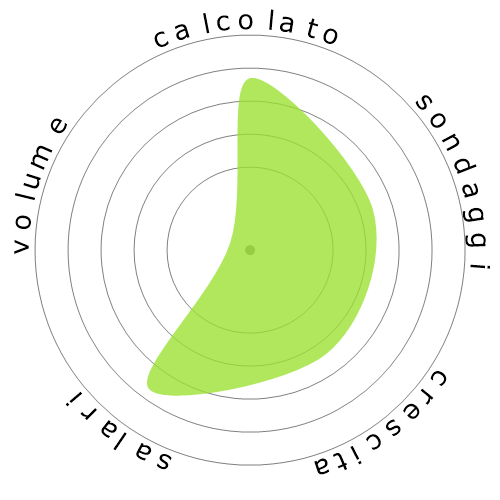
Cosa mostra questo fiocco di neve?
Il Fiocco di Neve è un riepilogo visivo dei cinque distintivi: Rischio di Automazione (calcolato), Rischio (interrogato), Crescita, Salari e Volume. Ti fornisce un'istantanea immediata del profilo di un'occupazione. Il colore del Fiocco di Neve è correlato alla sua dimensione. Più un'occupazione ottiene un punteggio alto rispetto alle altre, più il Fiocco di Neve diventa grande e verde.
PUNTEGGIO LAVORO
6,4/10
Cos'è questo?
Punteggio del lavoro (più alto è meglio):

Valutiamo i lavori utilizzando quattro fattori. Questi sono:

- Possibilità di essere automatizzati
- Crescita del lavoro
- Salari
- Volume di posizioni disponibili

Questi sono alcuni aspetti chiave da considerare quando si cerca un lavoro.

Le persone hanno anche visualizzato

Programmatori di Computer Avvocati Piloti Commerciali Attori Sviluppatori Web

Rischio di automazione calcolato

23% (Rischio Basso)

Rischio Basso (21-40%): Lavori a questo livello hanno un rischio limitato di automazione, in quanto richiedono un mix di competenze tecniche e centrato sull'uomo.

Ulteriori informazioni su cosa sia questo punteggio e su come viene calcolato sono disponibili qui.

Alcune qualità piuttosto importanti del lavoro sono difficili da automatizzare:

  • Percezione Sociale

  • Originalità

  • Persuasione

  • Trattativa

Sondaggio degli utenti

40% possibilità di completa automazione nel prossimo ventennio

I nostri visitatori hanno votato che c'è una bassa probabilità che questa professione sarà automatizzata. Questa valutazione è ulteriormente supportata dal livello di rischio di automazione calcolato, che stima una possibilità di automazione del 23%.

Cosa pensi sia il rischio dell'automazione?

Qual è la probabilità che Scienziati Atmosferici e Spaziali venga sostituito da robot o intelligenza artificiale nei prossimi 20 anni?

Sentimento

Il seguente grafico viene mostrato dove ci sono abbastanza voti per produrre dati significativi. Visualizza i risultati dei sondaggi degli utenti nel tempo, fornendo un'indicazione chiara delle tendenze di sentimento.

Sentimento nel tempo (annuale)

Crescita

Crescita rapida rispetto ad altre professioni

Il numero di offerte di lavoro per 'Atmospheric and Space Scientists' dovrebbe aumentare 5,6% entro il 2033

Occupazione totale e stime delle offerte di lavoro

* Dati provenienti dal Bureau of Labor Statistics per il periodo tra 2023 e 2033
Le previsioni aggiornate sono previste per 09-2025.

Salari

Molto ben retribuito rispetto ad altre professioni

Nel 2023, il salario annuo mediano per 'Atmospheric and Space Scientists' era di 92.860 $, o 45 $ all'ora.

'Atmospheric and Space Scientists' hanno ricevuto un salario 93,2% superiore al salario mediano nazionale, che si attestava a 48.060 $

Salari nel tempo

* Dati provenienti dal Bureau of Labor Statistics

Volume

Gamma di opportunità lavorative notevolmente inferiore rispetto ad altre professioni

A partire dal 2023 c'erano 9.310 persone impiegate come 'Atmospheric and Space Scientists' negli Stati Uniti.

Questo rappresenta circa il < 0,001% della forza lavoro impiegata in tutto il paese

In altre parole, circa 1 su 16 mille persone sono impiegate come 'Atmospheric and Space Scientists'.

Descrizione del lavoro

Investiga i fenomeni atmosferici e interpreta i dati meteorologici raccolti da stazioni terrestri e aeree, satelliti e radar per preparare rapporti e previsioni per il pubblico e altri utilizzi. Include analisti del tempo e meteorologi le cui funzioni richiedono una conoscenza dettagliata della meteorologia.

SOC Code: 19-2021.00

Commenti (8)

Lascia un commento
Silva
23 lug 2025 19:54
AI has been in use for the whole atmospheric and space science sector for a long time. It won't fully replace human input because humans still need to correct errors and also make models and research. However, some parts, like TV meteorologists, will probably be replaced as people rely more and more on digital technology without the need to watch the news.
oddguy (Nessuna possibilità)
01 lug 2025 11:13
Society need people educated in the field.
whetherweather101 (Moderato)
08 mag 2024 12:05
AI will soon (and already is) predicting weather as or more accurately than human forecasters.
Thomas (Molto probabile)
01 dic 2022 22:56
I went to school for this. I think that computer processing power will increase over the years. When this happens, the grid cells of the model will become smaller (look up climate modeling). This has happened for decades now. Eventually, the grid cells of the model become so small that the errors in model forecasts will decrease leaving no need for humans to fix them. This doesn't apply to research scientists.
atmospheric scientist contractor person (Incerto)
06 gen 2022 15:20
There are many areas where AI could replace the work of scientists, but the adoption of new technology often lags behind what is seen in industry. This is partly due to the fact that this field is driven by government funding, which is often allocated inefficiently compared to the private sector. In addition, scientist salaries are low and require extensive schooling (Master's/PhD), so change is happening very slowly.
Mike (Nessuna possibilità)
21 gen 2021 04:23
There is a difference between weather forecaster (already replaced) and atmospheric/space science.
Chris (Moderato)
23 ott 2019 16:16
At least the weather forecasting side, automation has already taken over the job. Models are getting so much better and in the next decade it will likely be unnecessary to 'forecast' in the traditional sense.
Nicholas
12 ago 2019 20:07
Forecasting is only a tiny part of what atmospheric and space scientist do. As space scientist I do not work with forecasting at all. Then given the poor amount of data, the result is also very poor.

Lascia un commento su questa professione
0/8000